Overview
Gallery
Information
Reviews

Location
Overview
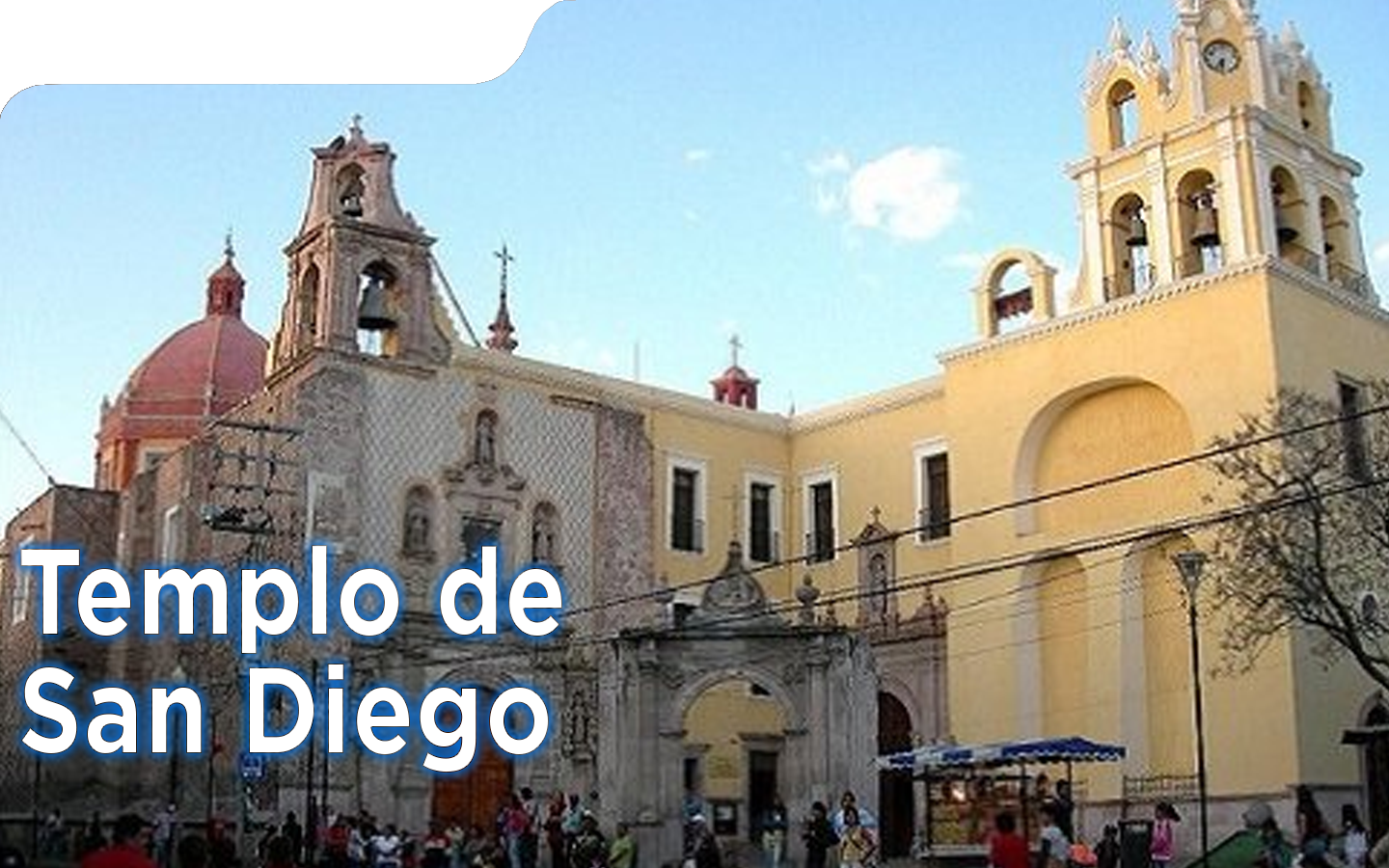
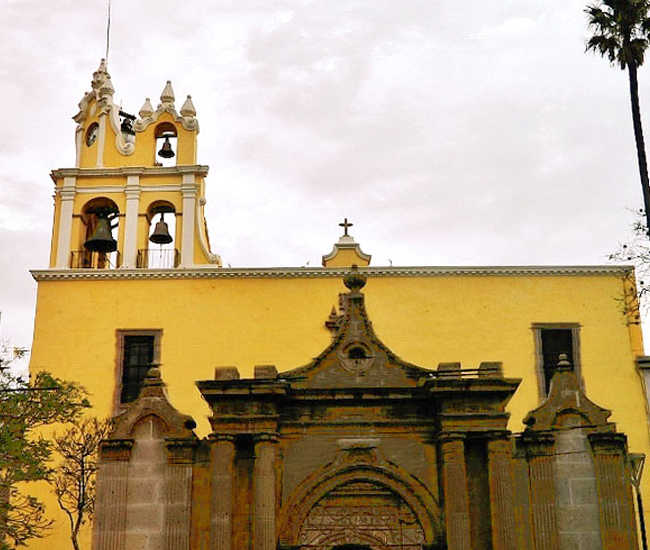
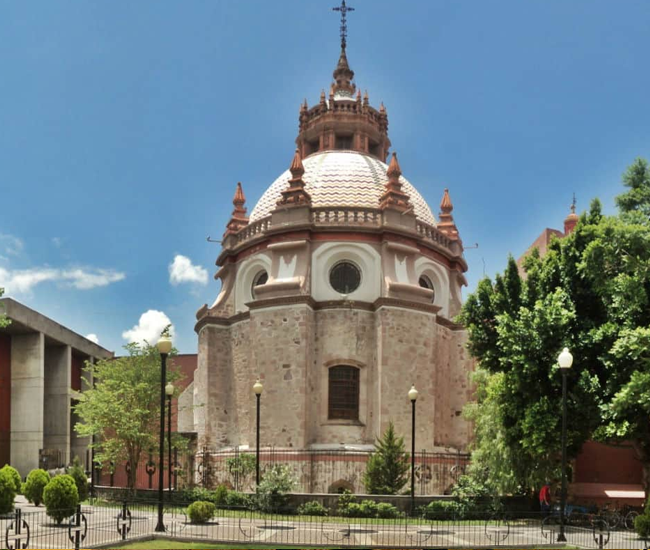
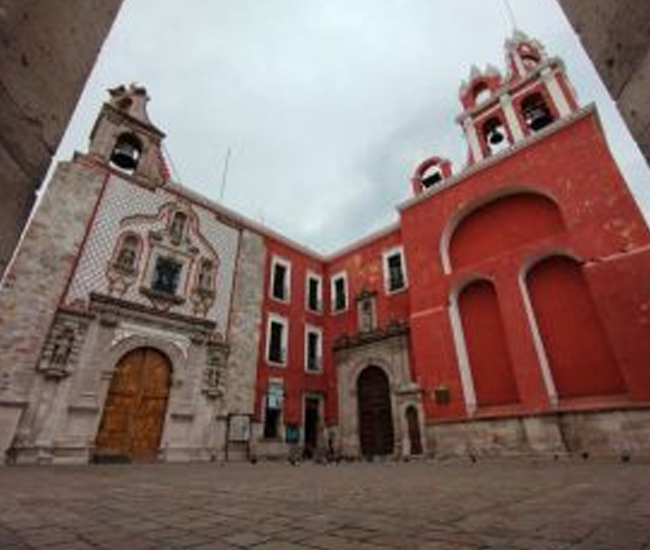
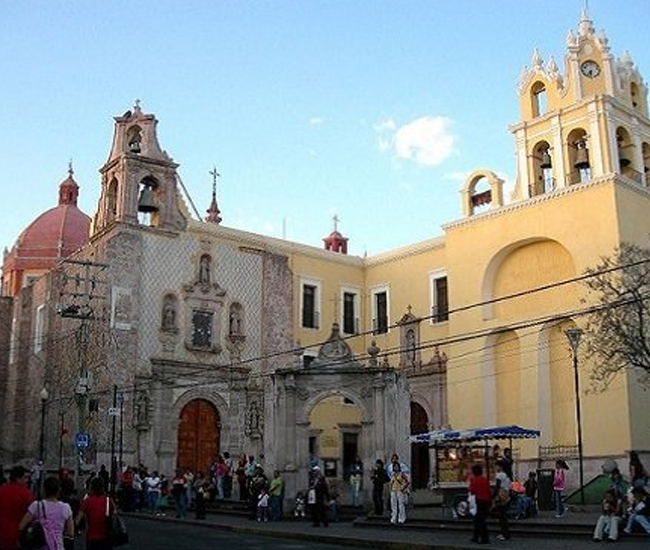
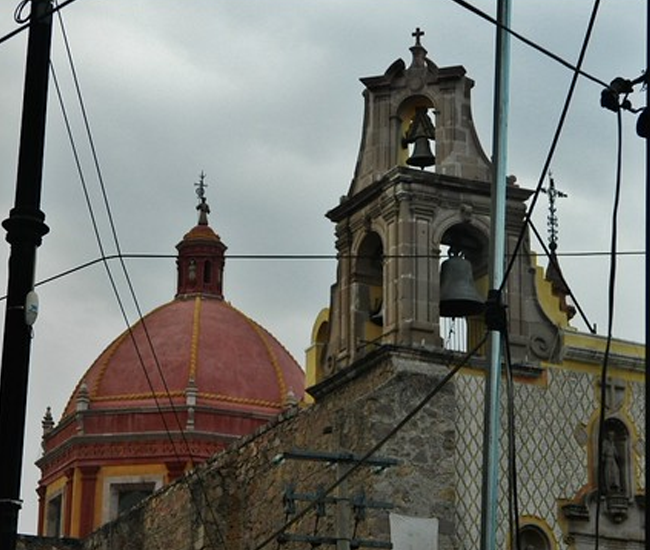
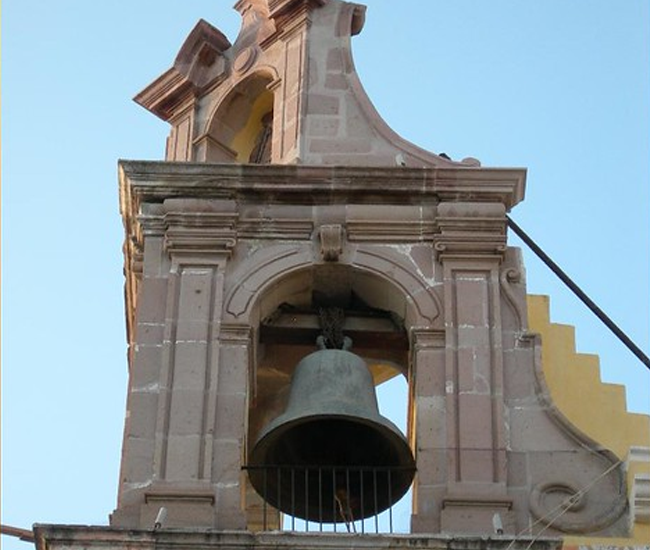
The Church of San Diego, dedicated to the Immaculate Conception, is one of the oldest and most iconic religious buildings in Aguascalientes. Situated in the heart of the Historic Center—next to the Jardín del Estudiante and facing the traditional Parián market—it forms part of an extraordinary architectural complex that includes the Church of the Third Order of Saint Francis of Assisi, the former Franciscan (Dieguino) friary, and the magnificent *Camarín* (chapel) of the Immaculate Conception, considered a masterpiece of New Spanish Baroque art. Its origins date back to the 17th century, when the Franciscan friars of the Dieguino branch established one of the primary religious centers of the then-town of Nuestra Señora de la Asunción de las Aguas Calientes at this site.
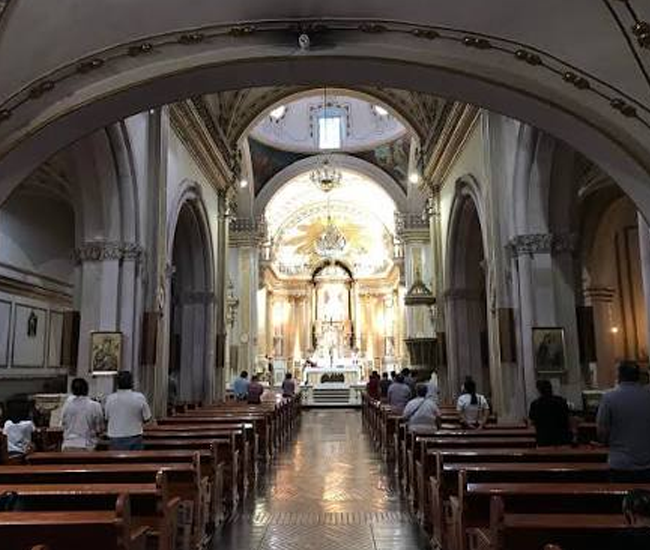
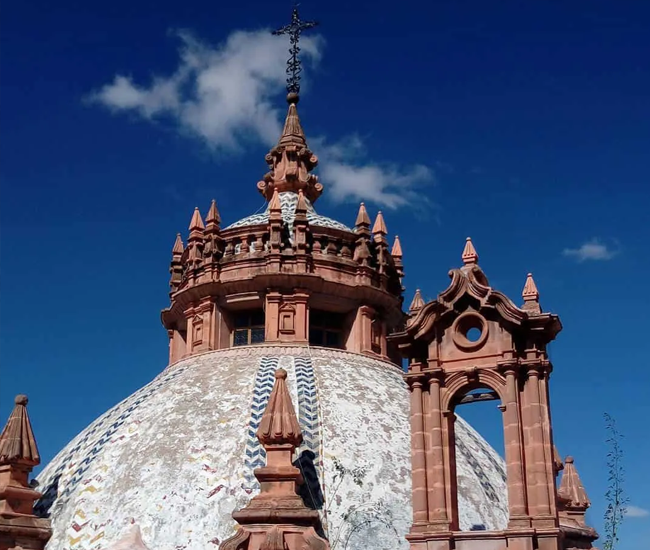
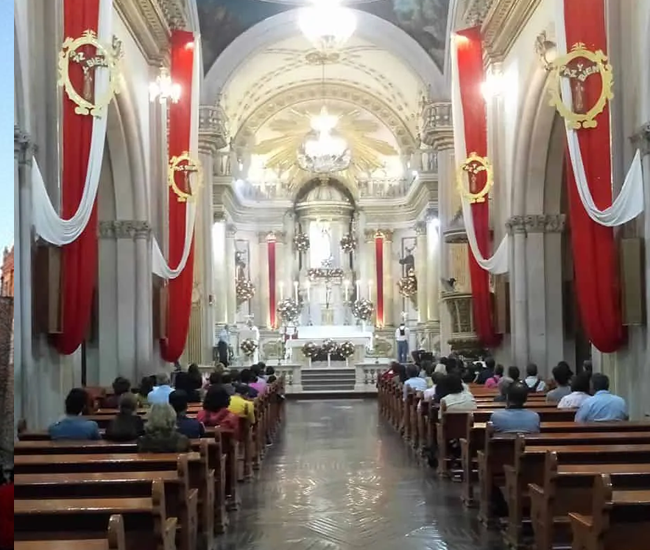
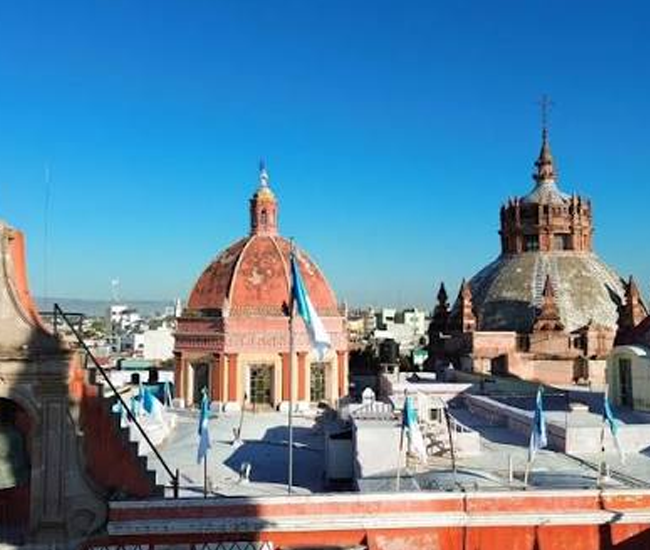
The temple’s architecture reflects Franciscan sobriety alongside the artistic richness of the Viceroyalty period. Its interior houses valuable altarpieces, religious images, and colonial paintings, while behind the main altar lies the impressive *Camarín de la Inmaculada Concepción* (Chapel of the Immaculate Conception); crowned by a majestic dome, it is considered one of the most beautiful spaces within Mexico’s religious heritage. Additionally, the surrounding area contains ancient crypts and remnants of the original convent, standing as a testament to more than three centuries of history.
More than just a church, San Diego stands as one of the most significant historical and spiritual symbols of Aguascalientes. Its architectural beauty, artistic richness, and deep connection to the city’s history make it a must-visit site on the state’s Religious and Cultural Route. The San Diego complex is considered one of the capital’s most valuable heritage treasures and one of the landmarks most cherished by the people of Aguascalientes.
Gallery
View all (5) Hide
History
The history of the Church of San Diego—officially dedicated to the Immaculate Conception—dates back to the mid-17th century. Efforts to establish a religious community in what was then the *Villa de Nuestra Señora de la Asunción de las Aguas Calientes* began around 1640. Although the site was initially occupied briefly by Discalced Carmelites, Franciscan friars of the *Dieguino* branch took possession of the location in 1664 and founded both the convent and the church, transforming the site into one of the region’s principal spiritual and educational centers.
During the 17th and 18th centuries, the complex expanded thanks to the support of benefactors and the local community. The convent, the main church, and subsequently the Church of the Third Order of Saint Francis of Assisi were built. Between 1792 and 1797, the extraordinary *Camarín* of the Immaculate Conception was constructed; it is considered a masterpiece of New Spanish Baroque and one of the few *camarines* of its kind preserved in Mexico. Valuable altarpieces, sculptures, and paintings by prominent New Spanish artists were installed within the church, establishing the San Diego complex as one of the most important in central New Spain.
Following the 19th-century Reform Laws, the convent was secularized, and parts of its facilities were put to various civic uses. In 1867, the former convent became the School of Agriculture—the precursor to the current Autonomous Institute of Science and Technology and, subsequently, the Autonomous University of Aguascalientes. Despite these transformations, the church continued to function as a place of worship and managed to preserve much of its artistic heritage. Today, together with the *Camarín de la Inmaculada*, the crypts, and the Church of the Third Order, it forms one of the most important architectural and religious complexes in Aguascalientes and stands as one of the most admired gems of Mexican Baroque architecture.
Schedule
Monday to Sunday 🕗 8:00 a.m. – 8:00 p.m. Parish office hours 📞 Monday to Friday 🕘 9:00 a.m. – 1:00 p.m. 🕓 4:00 p.m. – 7:00 p.m. Regular Mass schedule Monday to Friday 🕗 8:00 a.m. 🕚 11:00 a.m. 🕛 12:00 p.m. 🕖 7:00 p.m. 🕗 8:00 p.m. Saturday 🕗 8:00 a.m. 🕚 11:00 a.m. 🕛 12:00 p.m. 🕖 7:00 p.m. 🕗 8:00 p.m. Sunday 🕗 8:00 a.m. 🕘 9:00 a.m. 🕙 10:00 a.m. 🕚 11:00 a.m. 🕛 12:00 p.m. 🕐 1:00 p.m. 🕑 2:00 p.m. 🕔 5:00 p.m. 🕕 6:00 p.m. 🕖 7:00 p.m. 🕗 8:00 p.m.
Leave a Reply