
Overview
Gallery
Information
Reviews

Location
Overview
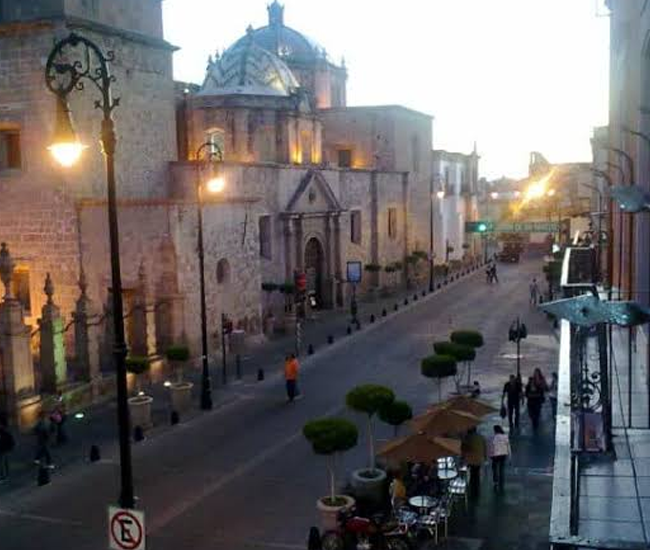
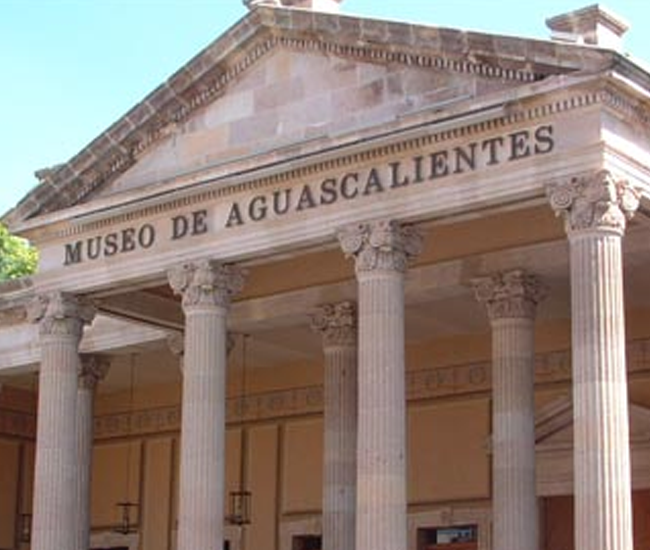
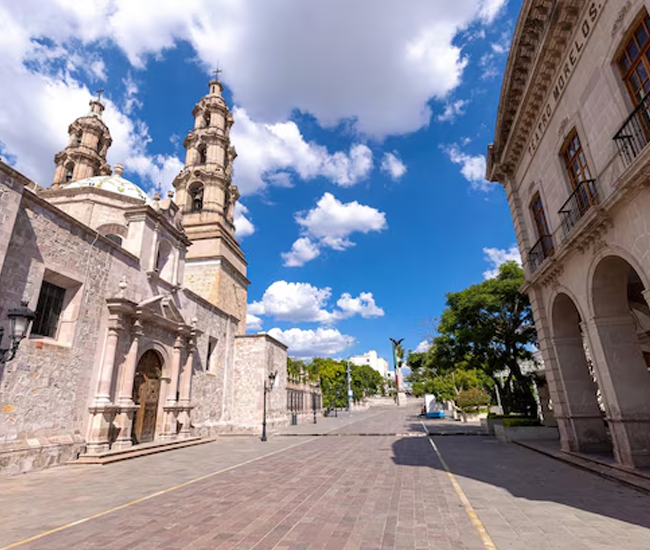
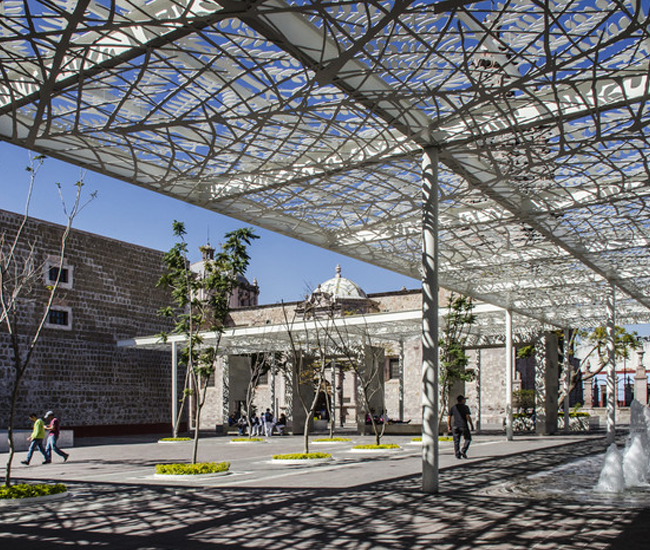
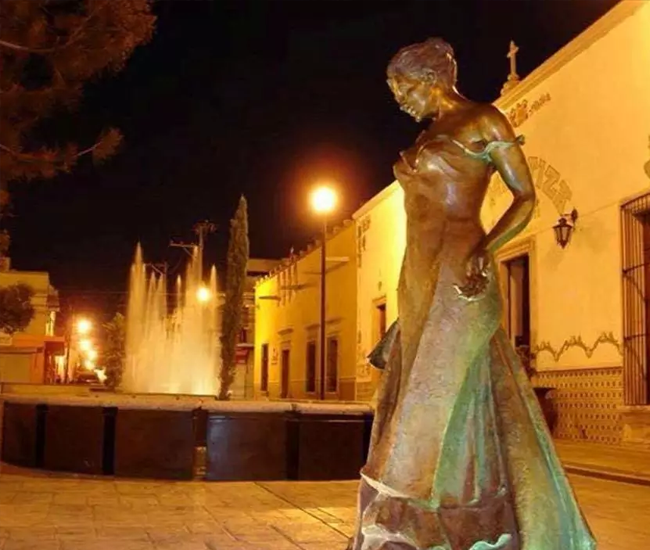
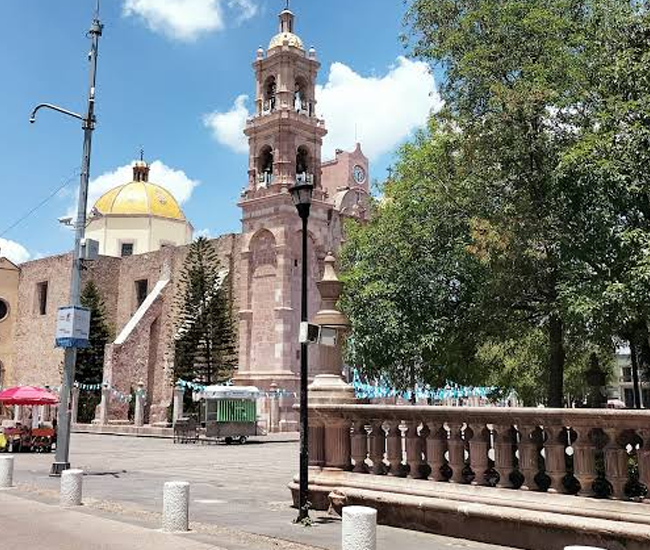
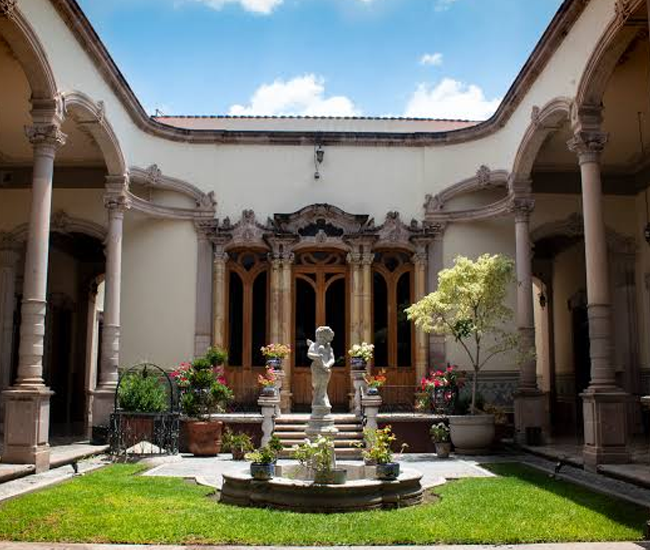
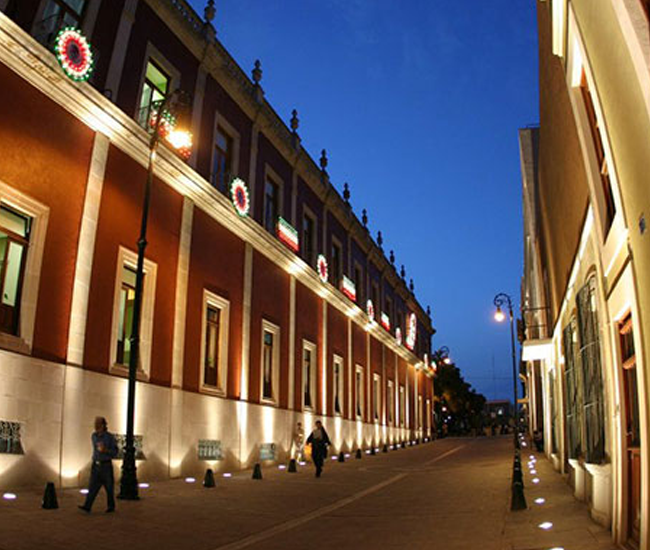
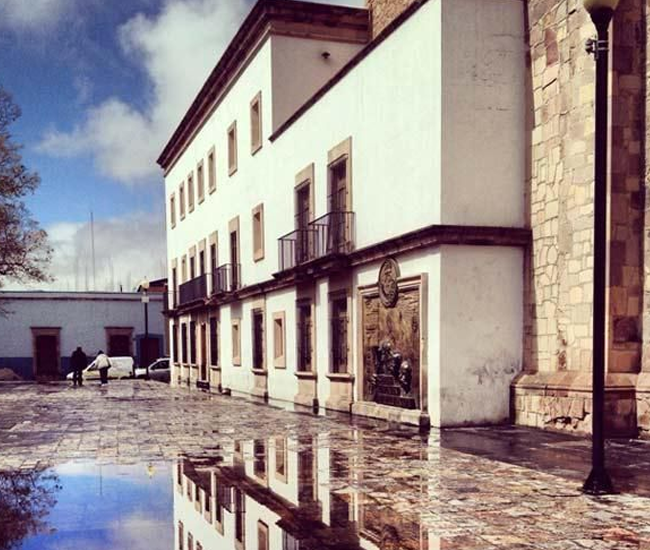
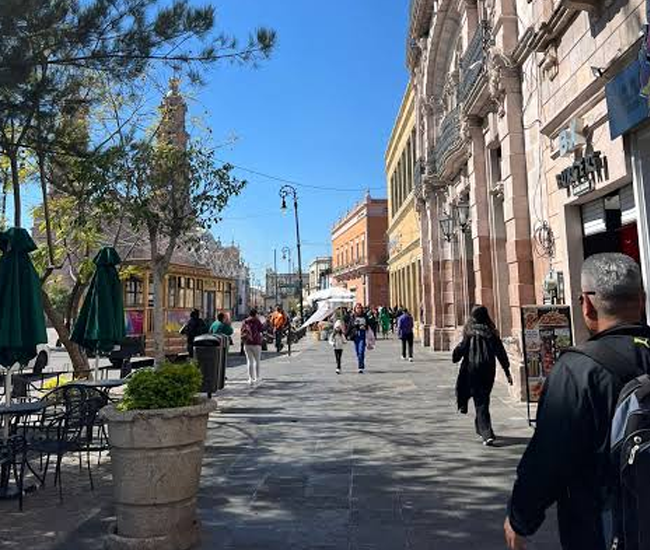
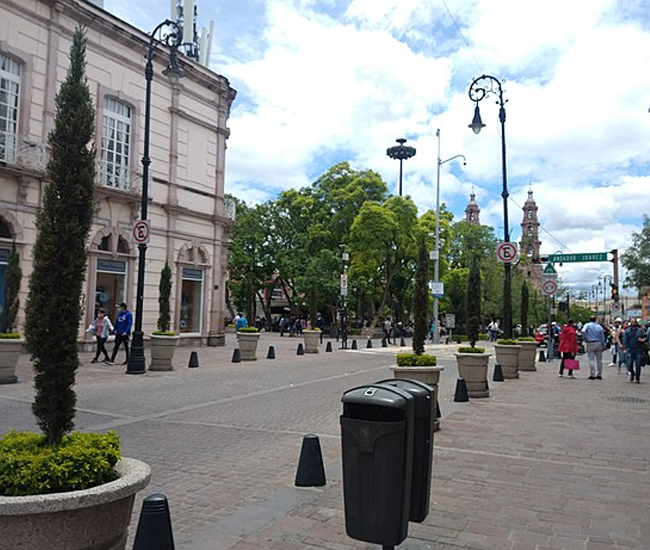
The Historic Center of Aguascalientes is the cultural, architectural, and social heart of the city. Its plazas, churches, historic stone buildings, gardens, and traditional streets allow visitors to discover different periods of local history while enjoying a peaceful and highly walkable atmosphere. Exploring the area on foot is one of the best ways to experience the city
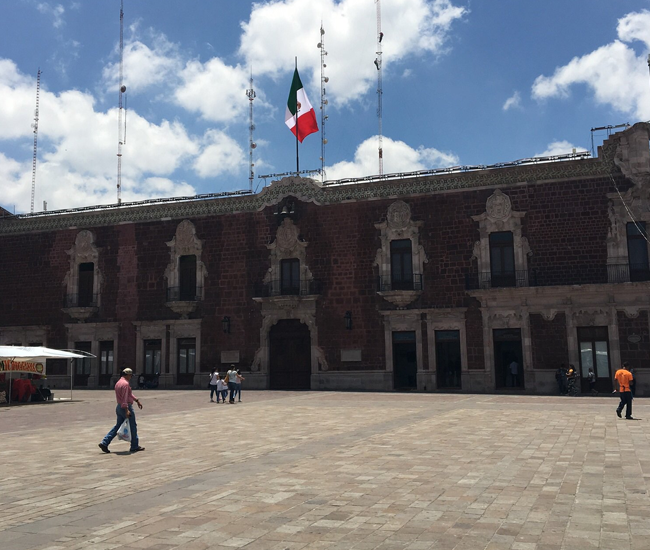
Your journey can begin at Plaza de la Patria, the ideal starting point for discovering the heart of Aguascalientes. Surrounding the plaza are some of the city’s most important landmarks, including the Cathedral Basilica of Our Lady of the Assumption, the Government Palace, the Municipal Palace, and other historic buildings.
Inside the Government Palace, take time to admire its impressive murals, which depict important moments and characters from the history of Aguascalientes.
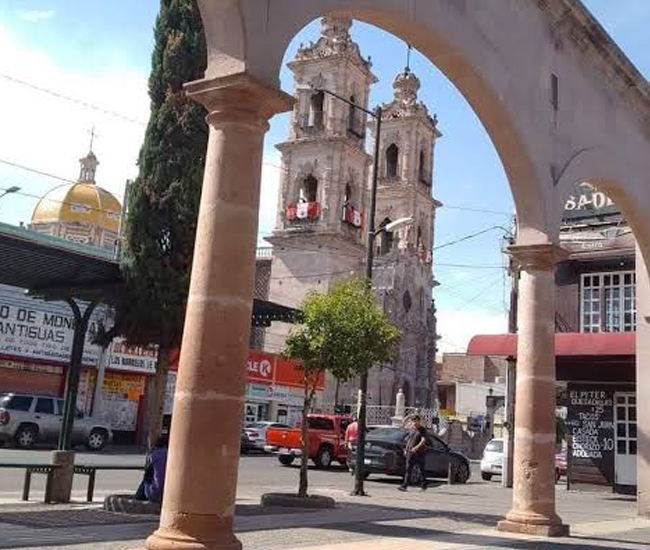
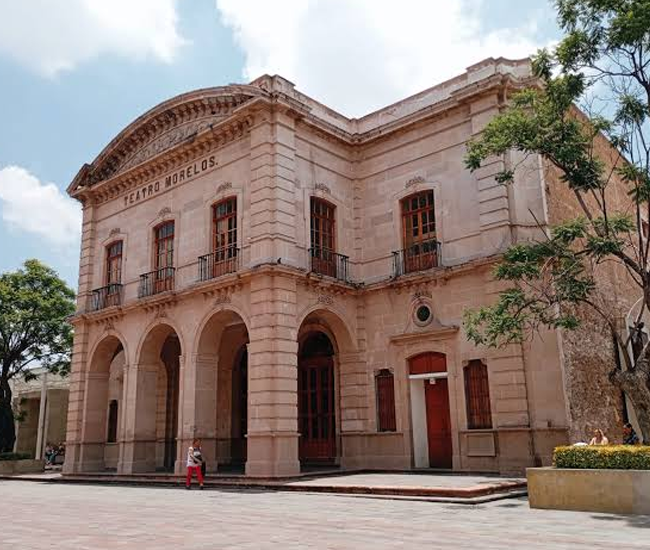
From here, continue toward the Morelos Theater, an important historic site associated with the Sovereign Convention during the Mexican Revolution. You can then stroll along the traditional Madero Street and continue toward the magnificent Temple of San Antonio, one of the city’s most distinctive architectural landmarks.
Gallery

View all (17) Hide


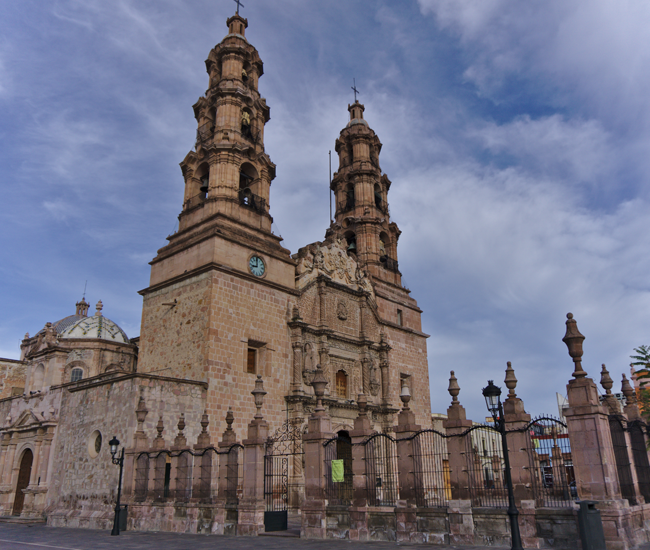


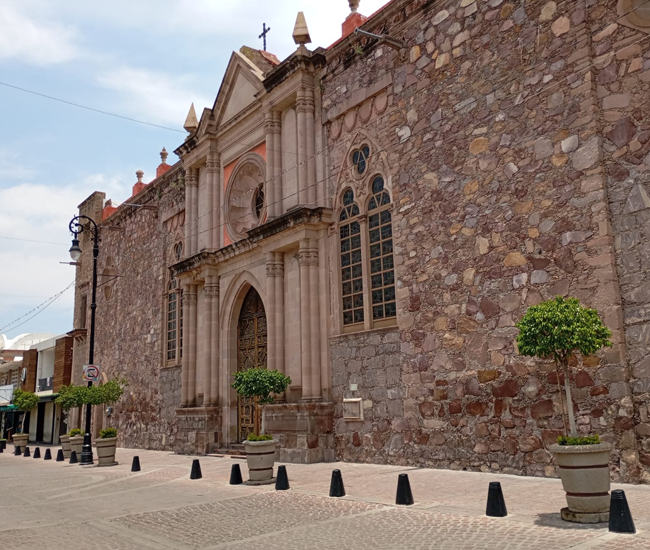
What to Do and Explore
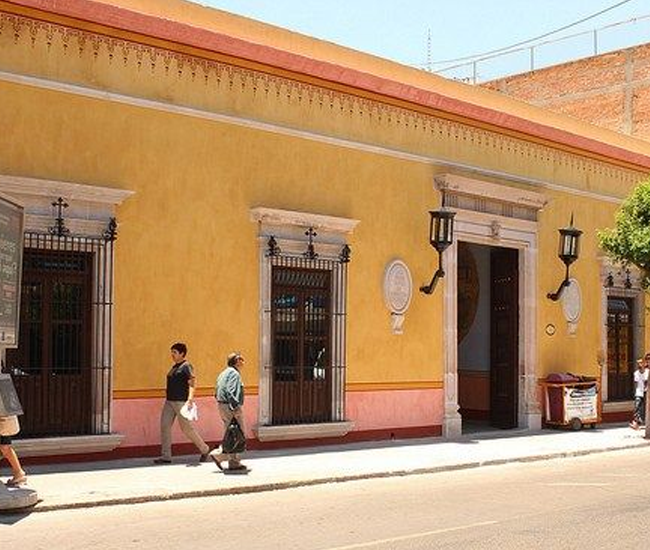
One of the best experiences is simply walking through the streets of the Historic Center at your own pace. Admire historic façades, visit churches and museums, relax in the plazas, take photographs, and discover traditional shops and local businesses.
Another option is to take the Tourist Tram, which offers guided tours through several historic areas of the city and connects the downtown area with traditional neighborhoods such as San Marcos, Guadalupe, El Encino, and La Estación.
What to Eat
Discovering downtown Aguascalientes also means experiencing its local flavors. Along the way, visitors can enjoy Mexican street food and traditional favorites such as birria, gorditas, tacos, enchiladas, carnitas, and chaskas, as well as traditional sweets.
The experience can also be complemented with wines produced in Aguascalientes, a destination with a growing wine culture closely connected to the region’s gastronomy.
Leave a Reply