Overview
Gallery
Information
Reviews

Location
Overview
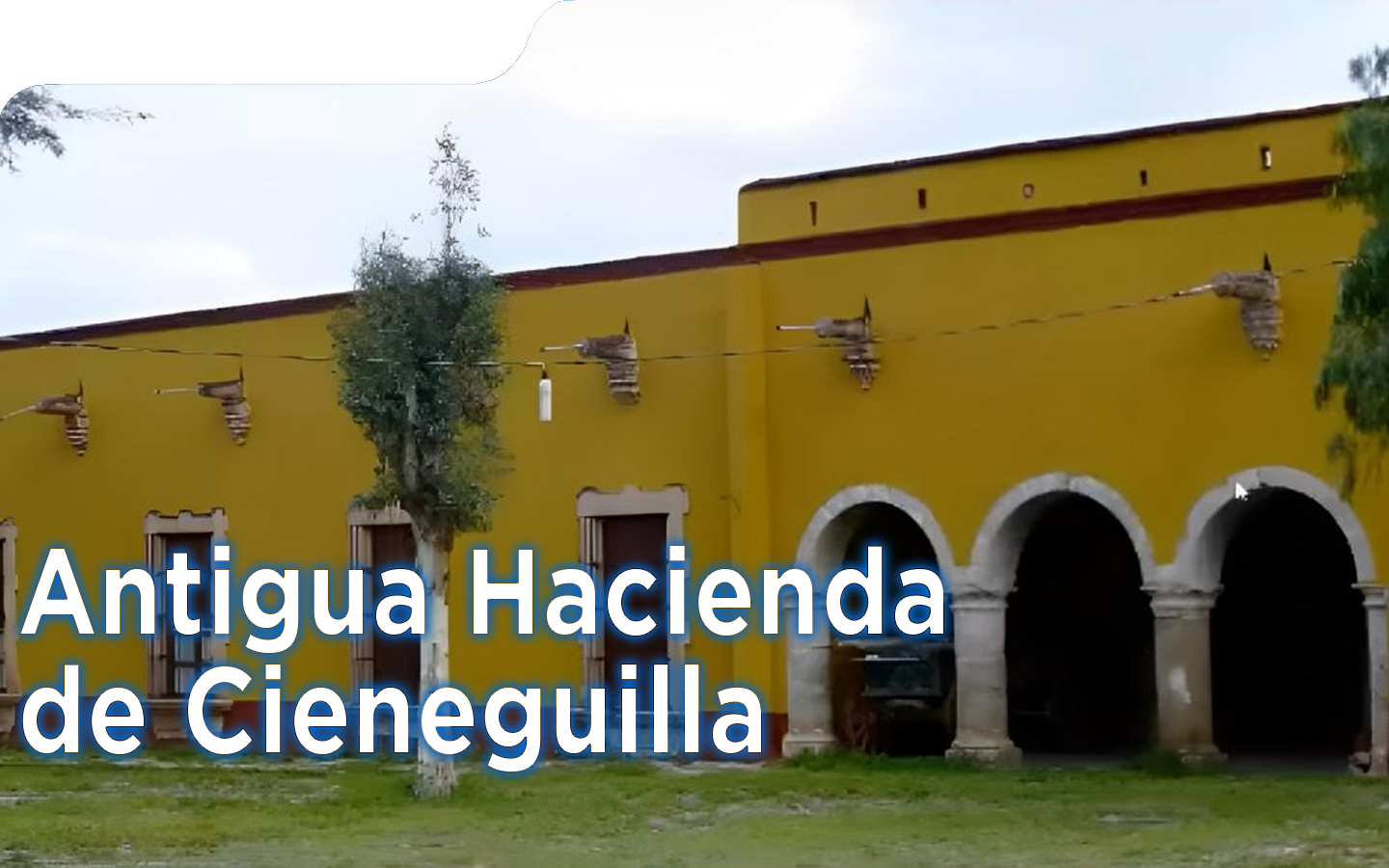
The Former San José de Cieneguilla Hacienda, located in the municipality of Asientos, is one of the oldest and most iconic historic properties in Aguascalientes. Founded in the 17th century and closely linked to the historic Camino Real de Tierra Adentro, the hacienda became one of the main agricultural and livestock centers in northern New Spain. Its name derives from the abundance of water and vegetation that once characterized the region, making it a strategic location for the area’s economic development.
The architectural complex preserves important features from the colonial period, including the impressive main house, arcaded courtyards, a central stone fountain, an old watchtower, and a beautiful chapel built by the Jesuits between 1751 and 1753. The church façade, crafted from pink quarry stone and characterized by its restrained architectural lines, is considered one of the most valuable examples of Aguascalientes’ colonial heritage. During the 18th century, the hacienda became one of the most important estates in the Bajío region, standing out for its agriculture, livestock production, and the breeding of Spanish horses.
Today, the Former San José de Cieneguilla Hacienda is associated with the Camino Real de Tierra Adentro, recognized by UNESCO as a World Heritage Site. Its historical, architectural, and cultural significance makes it an essential stop along the Route of the Haciendas and one of the best-preserved treasures of Aguascalientes’ heritage.
Gallery
History
Today, the Former San José de Cieneguilla Hacienda is associated with the sites recognized along the Camino Real de Tierra Adentro, which has been designated a UNESCO World Heritage Site. Its historical, architectural, and cultural significance makes it an essential stop along the Route of the Haciendas and one of the best-preserved treasures of Aguascalientes’ heritage.
During the 18th century, San José de Cieneguilla reached the height of its prosperity. Its extensive lands were devoted to agriculture and livestock raising, with particular emphasis on breeding Spanish horses, which were considered among the finest in New Spain. In 1751, under the direction of the Jesuit Fray Sebastián de Vergara, construction began on the beautiful hacienda chapel. Completed in 1753, its pink quarry-stone architecture remains one of the best-preserved examples of Aguascalientes’ colonial heritage.
Following the expulsion of the Jesuits in 1767, the hacienda came under the control of the Fondo de Temporalidades and was later acquired by the Count of Regla, Pedro Romero de Terreros, one of the wealthiest men in New Spain. In 1803, it was sold to the Rul family, who maintained it as an important livestock estate throughout much of the 19th century. During the Porfiriato, the hacienda encompassed nearly 30,000 hectares and had an estimated population of around 700 inhabitants.
Recomendaciones
1. Admire One of the Oldest Haciendas in Aguascalientes Founded in 1616, the Former San José de Cieneguilla Hacienda preserves much of its colonial splendor. Explore its courtyards, arcades, and main house to discover one of the state’s most important architectural treasures.
2. Don’t Miss the 18th-Century Jesuit Chapel Built between 1751 and 1753, the chapel is one of the best-preserved buildings in the complex. Its pink quarry-stone façade and octagonal dome are among the finest examples of Aguascalientes’ colonial religious heritage.
3. Discover Its Legacy Along the Camino Real de Tierra Adentro The hacienda formed part of the historic trade route that connected central Mexico with the northern regions of the country. Its importance earned it recognition as part of the UNESCO World Heritage-listed Camino Real de Tierra Adentro, making it a site of great historical value.
4. Complete Your Visit with Real de Asientos Take advantage of your visit to explore the Magical Town of Real de Asientos, where you can discover its tunnels, the Mining Museum, and the Sanctuary of the Lord of Tepozán. Together, these attractions form one of the most interesting historical and cultural circuits in the state.
Leave a Reply