
Overview
Gallery
Information
Reviews

Location
Overview
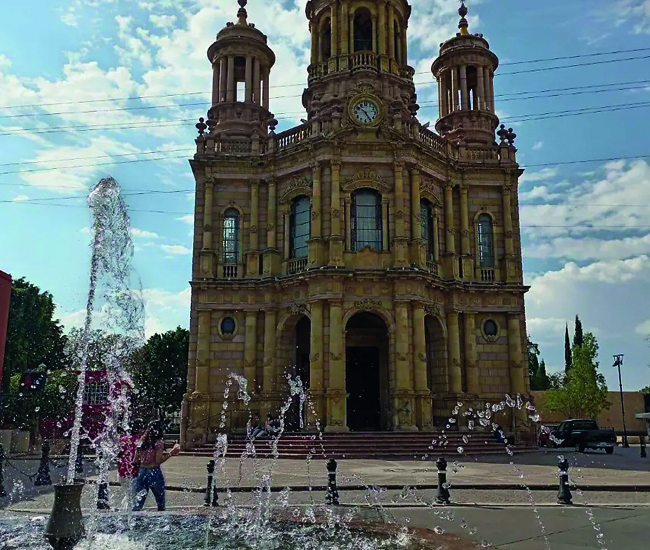
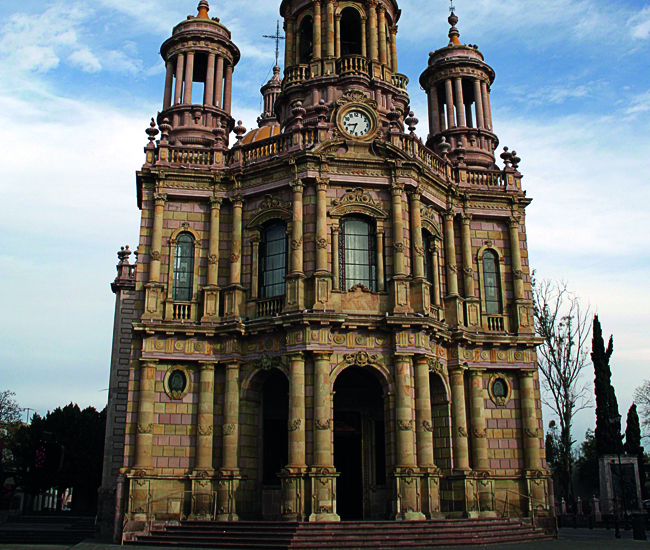
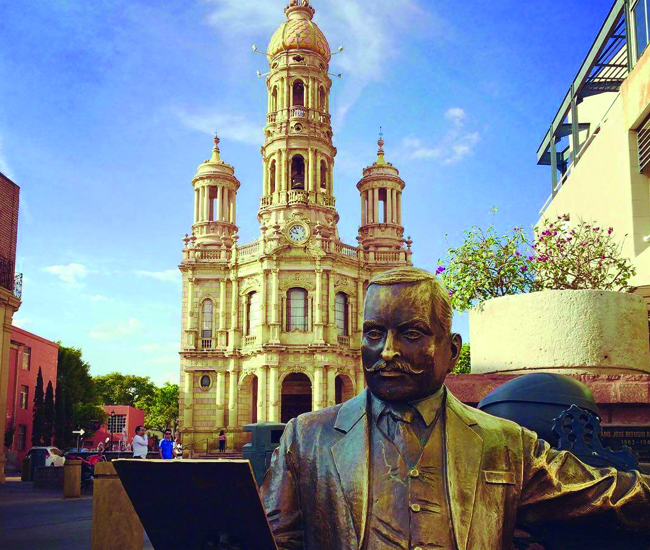
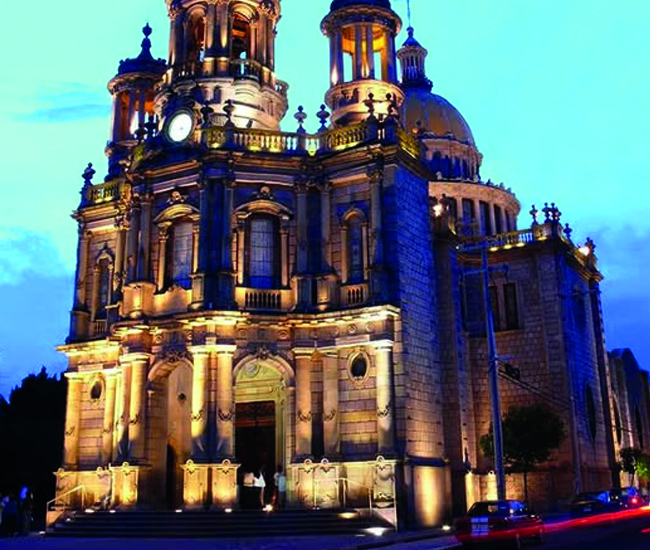
The Temple of San Antonio de Padua is one of the most iconic and frequently visited churches in the city of Aguascalientes. Situated in a central, traditional area, it stands out for its imposing Neo-Gothic architecture and its great historical and religious significance. Its dome and façade make it a prominent visual landmark within the city’s urban landscape.
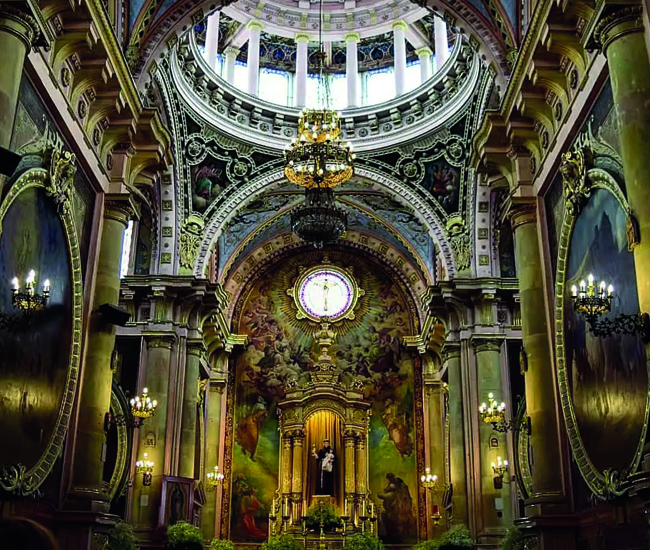
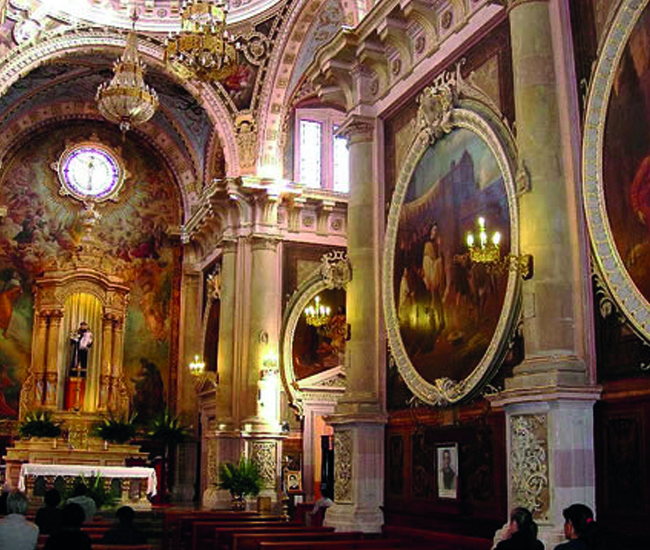
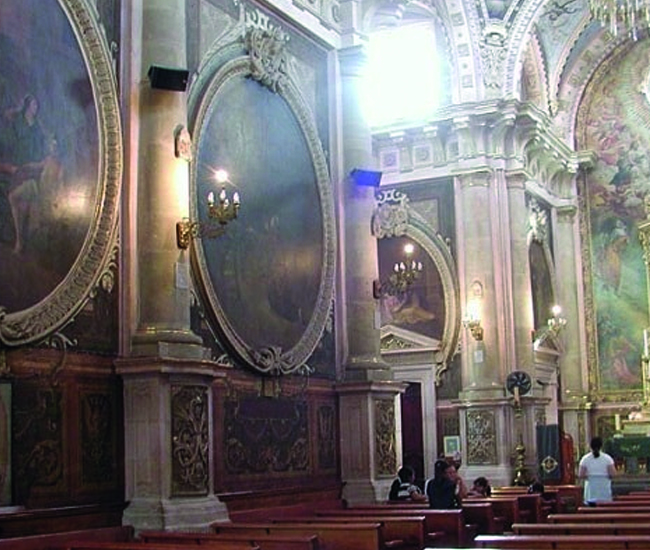
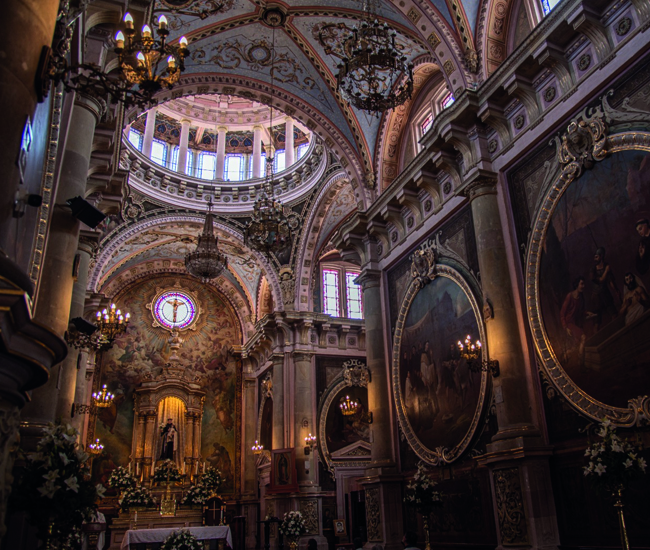
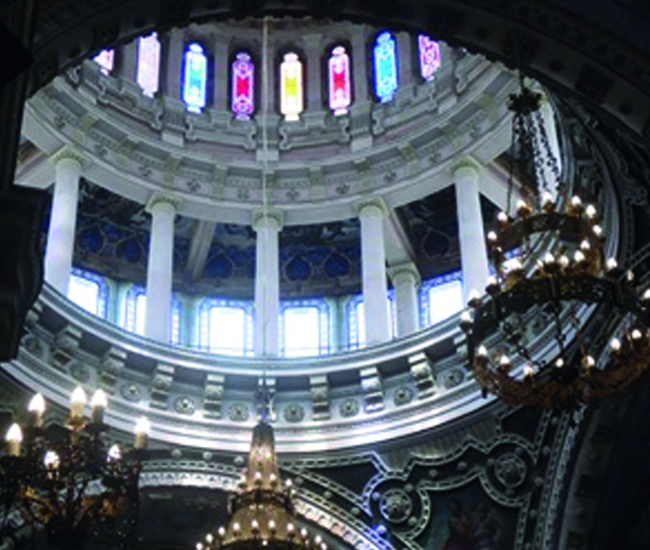
Inside, the temple offers an atmosphere of tranquility and quiet reflection, ideal for prayer and contemplation. Visitors can admire decorated altars, stained-glass windows, and architectural details that reflect devotion to Saint Anthony of Padua. It also hosts Masses and religious celebrations that are part of the community’s spiritual life.
The Temple of San Antonio de Padua is also a key site for cultural tourism in Aguascalientes. Its history, state of preservation, and significance make it a must-visit stop for those wishing to explore the city’s religious heritage. It is a space that brings together art, faith, and history in a single location.
Gallery

View all (6) Hide

Historia
The history of the Temple of San Antonio de Padua dates back to the period of urban and religious growth in Aguascalientes during the 19th century, when the city began to expand and establish new places of worship for the population. From its inception, it was conceived as a church dedicated to Saint Anthony of Padua, one of the most venerated saints in the Catholic tradition.
The construction of the church spanned several decades, reflecting the efforts of the local community and the importance of faith in the inhabitants’ daily lives. Its Neo-Gothic architectural design incorporated distinctive elements—such as pointed arches and stained-glass windows—along with an imposing structure that sets it apart within the city’s urban landscape.
Over time, the temple established itself as one of the most important religious symbols of Aguascalientes. Today, it serves not only as a place of worship but also as a tourist and cultural attraction that embodies the region’s history, architecture, and spiritual tradition.
Horarios
Templo de San Antonio de Padua generalmente permanece abierto todos los días para actividades religiosas y visitas, con un horario aproximado de 7:00 a.m. a 8:00 p.m.
Leave a Reply